The geopolitical implications of climate change and our unpreparedness for the disruption it will bring.
Last week (July 2025), The New York Times published an article on the rise of heat waves around the world. It noted that last year was the hottest year in recorded history, and that new data reveals that the world is becoming hotter, faster. Each fraction of a degree of warming will lead to longer heat waves, leading to more deaths and disruption.
The article gave the example of India, quoting Anupreeta Das who covers South Asia for The Times:
"The Indian government has been slow to recognize the effects of extreme heat on people and draw up mitigation strategies,” Das said. “In urban areas, slum dwellers, informal workers and those whose professions require outdoor work — such as traffic cops, vendors, construction workers and street cleaners — face extreme risk from excessive heat. In rural areas, farmers are among the most vulnerable.”
There are efforts to respond, the article notes, "including awareness campaigns that encourage people to stay indoors during the hottest hours of the day, and efforts to train community health workers to spot signs of heat exhaustion". Some cities, Das noted, "were also coming up with heat action plans that include warning systems and cooling stations".
"But as India keeps heating up, those efforts will go only so far."
“Given the rapidity of change,” Das said, "many climate experts and scientists have urged the Indian government to extend their thinking beyond mitigating the effects of heat waves to “long-term climate adaptation strategies.”
Like India, many other countries who are most exposed to extreme heat are not well-prepared for adaptation and mitigation. Poorer countries will be disproportionately affected. But this is not just an 'over there' phenomenon. There is no 'over there' when it comes to climate change and geopolitical disruption. The spillover effects will reach everywhere, including Australia, as our region -- what we like to think of as our neighbours as well as our key markets -- will be dramatically impacted. And of course, developed countries are being hit hard directly too, including the US and countries in the EU.
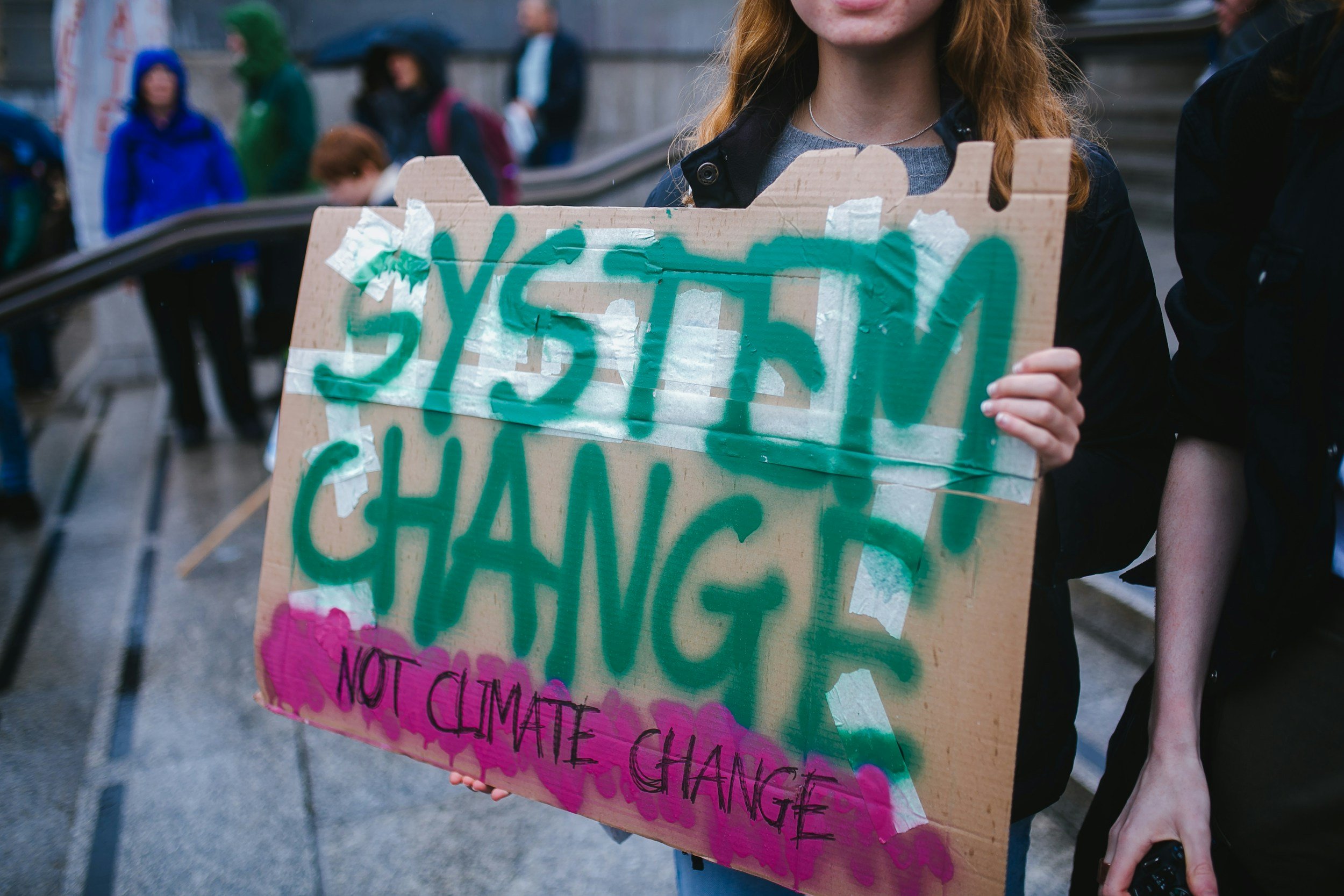
This information about climate disruption and global stability and security, including economic, isn't new - ASPI wrote about it in 2022, (link below). We wrote about it in 2021 (image above, and link below), and have been talking about it for years. Yet from what I can see, the geopolitical disruption from these climate change impacts is not being sufficiently factored in to planning and strategies -- including planning and strategies of how to minimise the damage.
It is eye-wateringly essential for us to ensure this risk is factored in to our decision-making and planning not only for the here and now, but in to the mid- and long-term as well. And it is on all of us to do what we can at every level, personal and corporate, to minimise the damage.
Climate: Heat season is off and running - NYT (subscribers only)
The geopolitics of climate and security in the Indo-Pacific - ASPI
Geopolitical megatrends and business resilience - KPMG Australia