
INSIGHTS
Articles, podcasts, and analysis.
Decision-relevant insights on the geopolitical forces reshaping the global operating environment.
Blog








Decision-relevant insights on the geopolitical forces reshaping the global operating environment.
As global competition and mistrust grow, infrastructure is increasingly governed through a national security lens, creating new forms of risk and strategic exposure for Australian businesses (KPMG report, Merriden Varrall principal author).
To say things are changing quickly for the Australian auto industry is an understatement. Many of these head-spinning shifts are being driven by increasing geopolitical volatility.
We wrote this report, the second in our KPMG Top Geopolitical Risks series, to highlight that risk isn't about discrete disconnected shocks, it's interconnected. Looking at risk scenarios tells us more about where we're vulnerable, and how we can be better prepared for the future. (KPMG report, Merriden Varrall principal author).
In this session, experienced chair and director Vivienne Yu, GAICD CEW FCPA, and I talk about how boards can understand business engagement with China as a set of distinct dimensions, what a robust China strategy looks like in practice, and the specific levers boards can use to maintain oversight while still positioning for opportunity.
NB, recording is free via AICD for members and non-members.
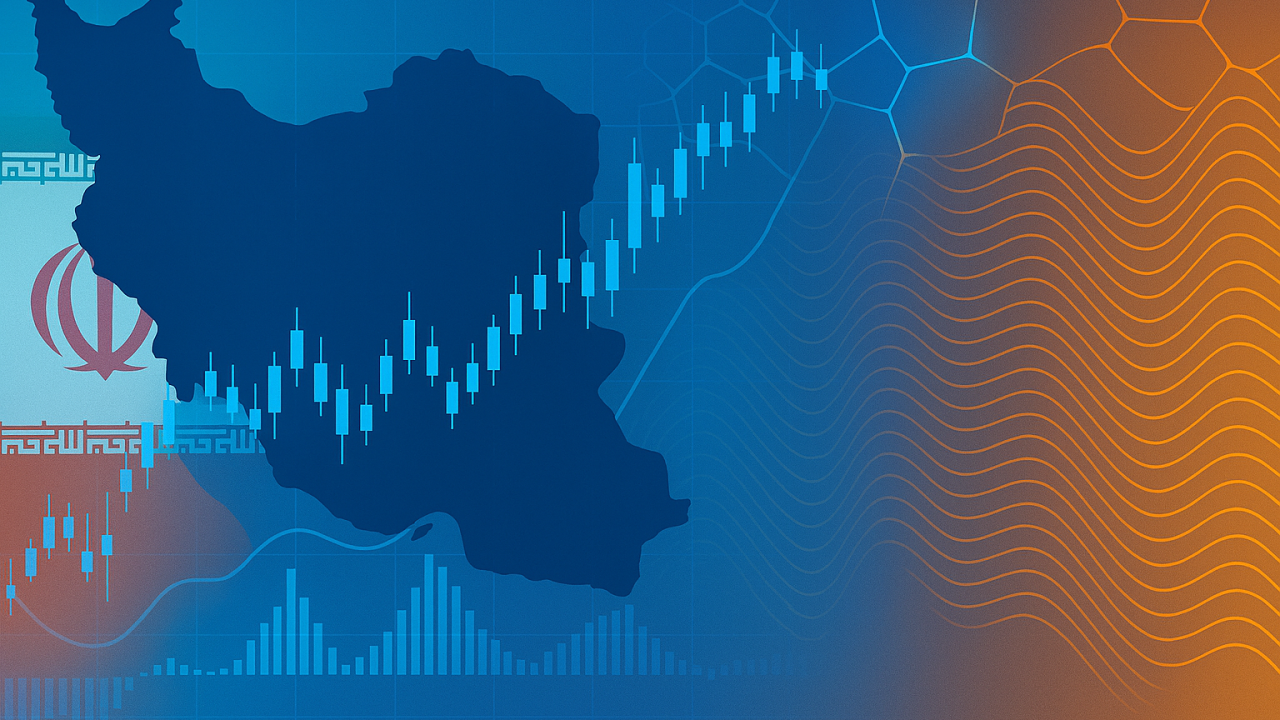
The US–Israeli strikes on Iran have generated a flood of information for business leaders to absorb. Oil prices have moved sharply.
Populism is reshaping the global business environment and Australian companies can’t afford to ignore it.
Across recent global surveys, family offices consistently rank geopolitics among their most significant risks, particularly over the medium term. What matters now is how this growing geopolitical volatility actually manifests for mid-size family offices, and what they choose to do to manage risk and build resilience.
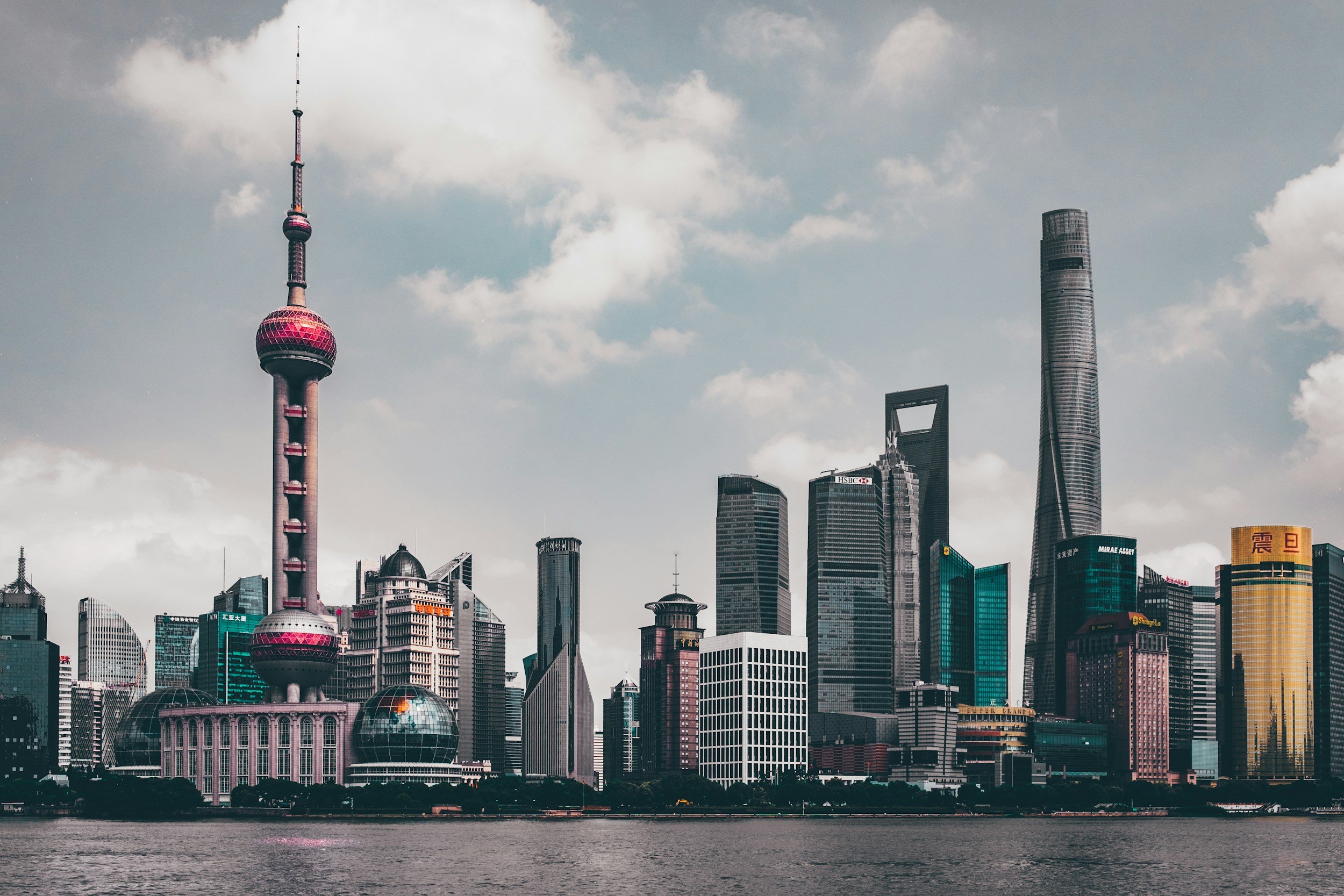
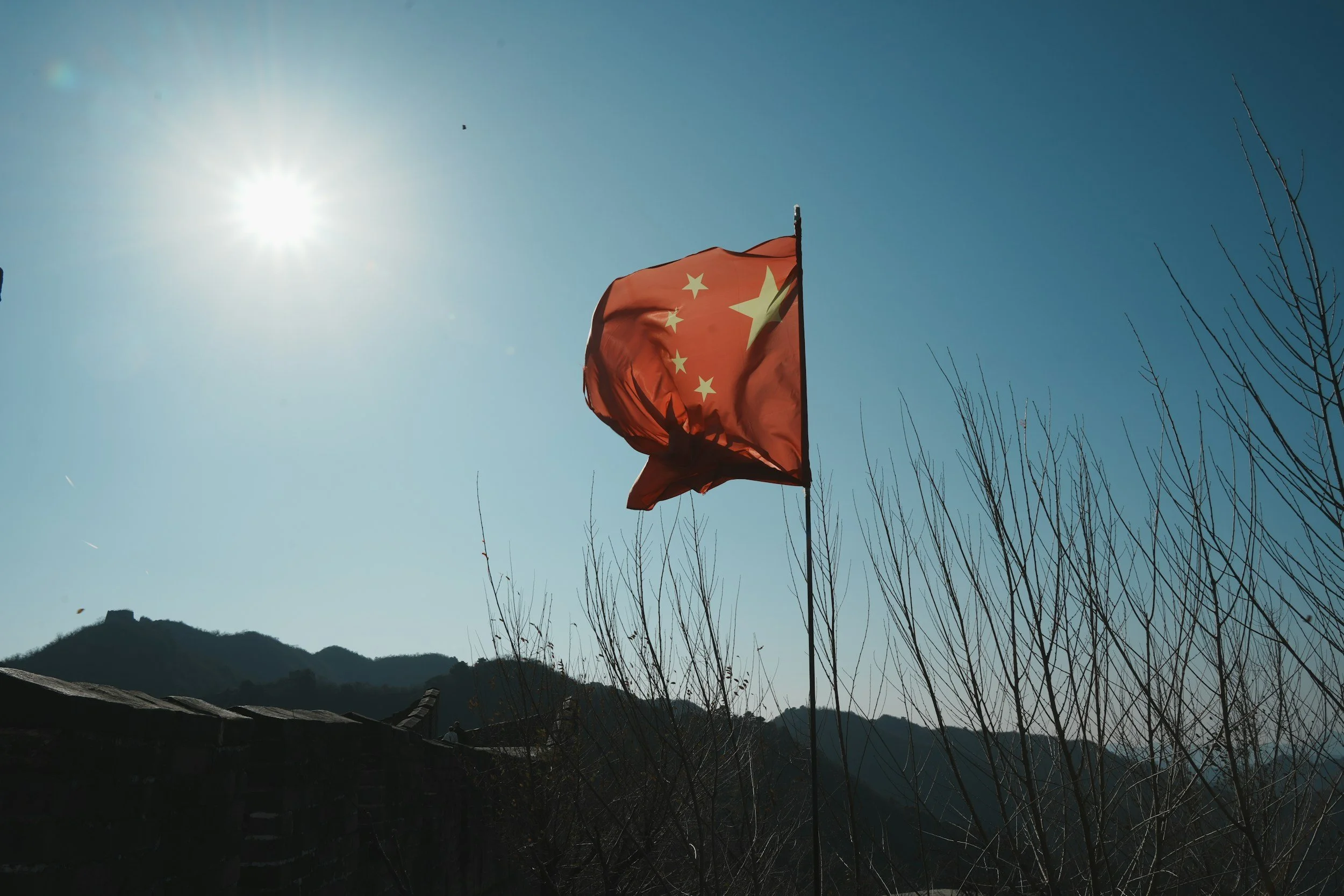
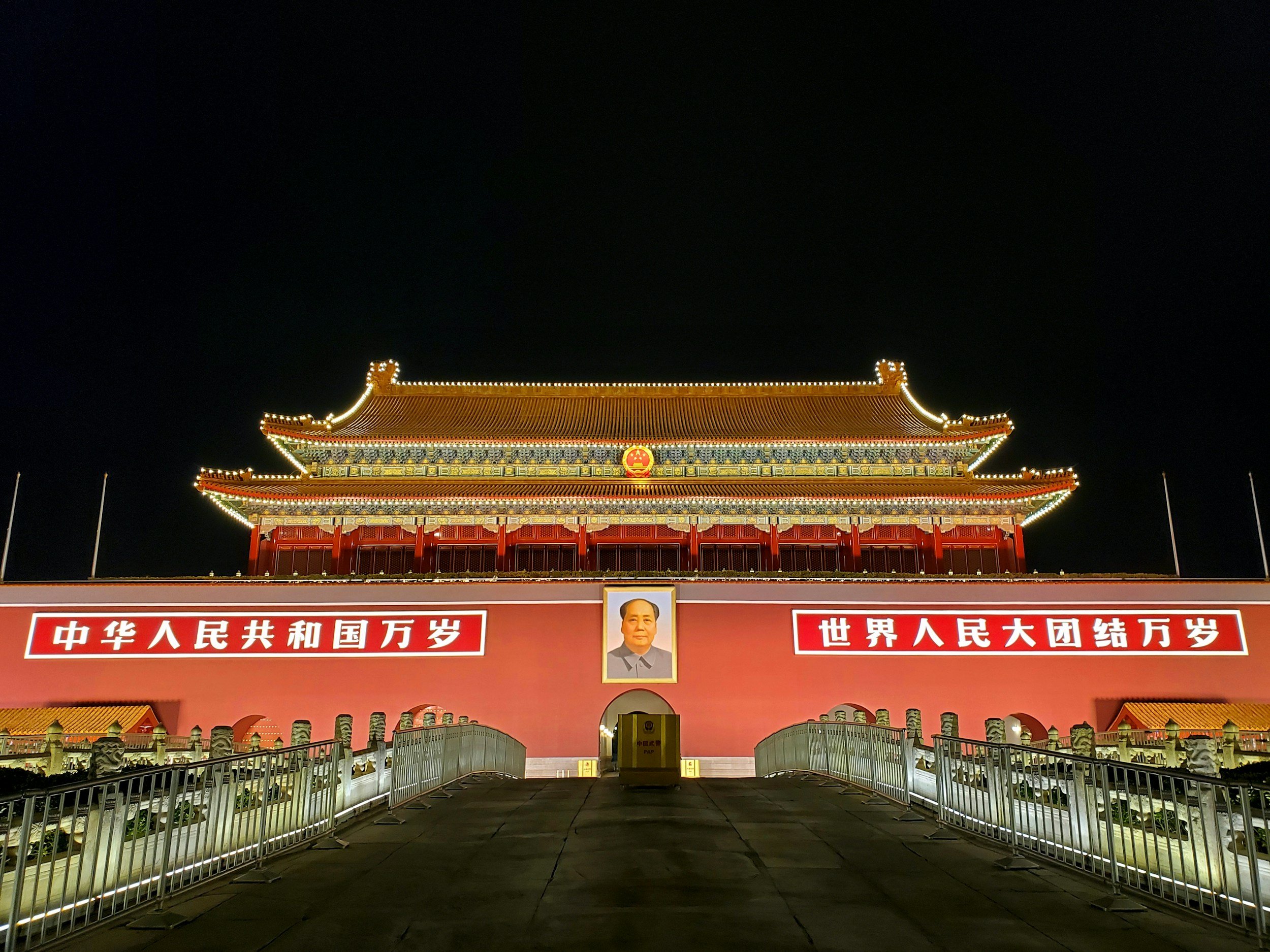
China’s 2026 Two Sessions policy conference confirmed a shift that has been building for many years. This article explores how Beijing now reads the international environment, how it is adjusting its development model in response, and what this means for Australian businesses.
It seems to be that there are two parts to the conclusion that China is preparing to invade Taiwan in 2027, neither of which are a Xi Jinping directive.
In the 2026 South Australian elections, Labor was returned with a strong majority, but the real story lies in the scale of the One Nation vote. For Australian business, moves away from the political centre increase business risk in several ways.
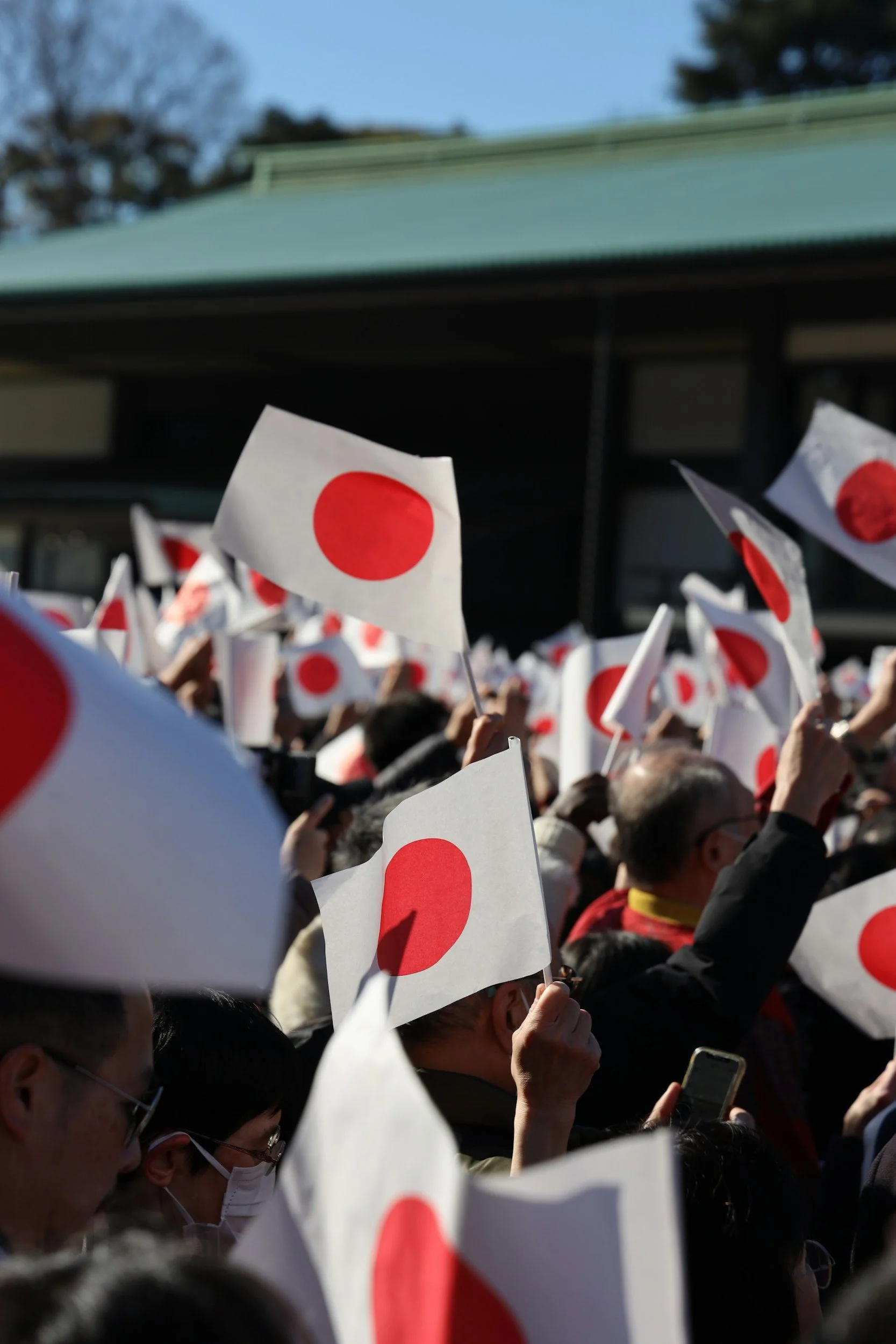
The February 2026 election result in Japan matters for investors in how it clarifies the policy environment in which market conditions will evolve.
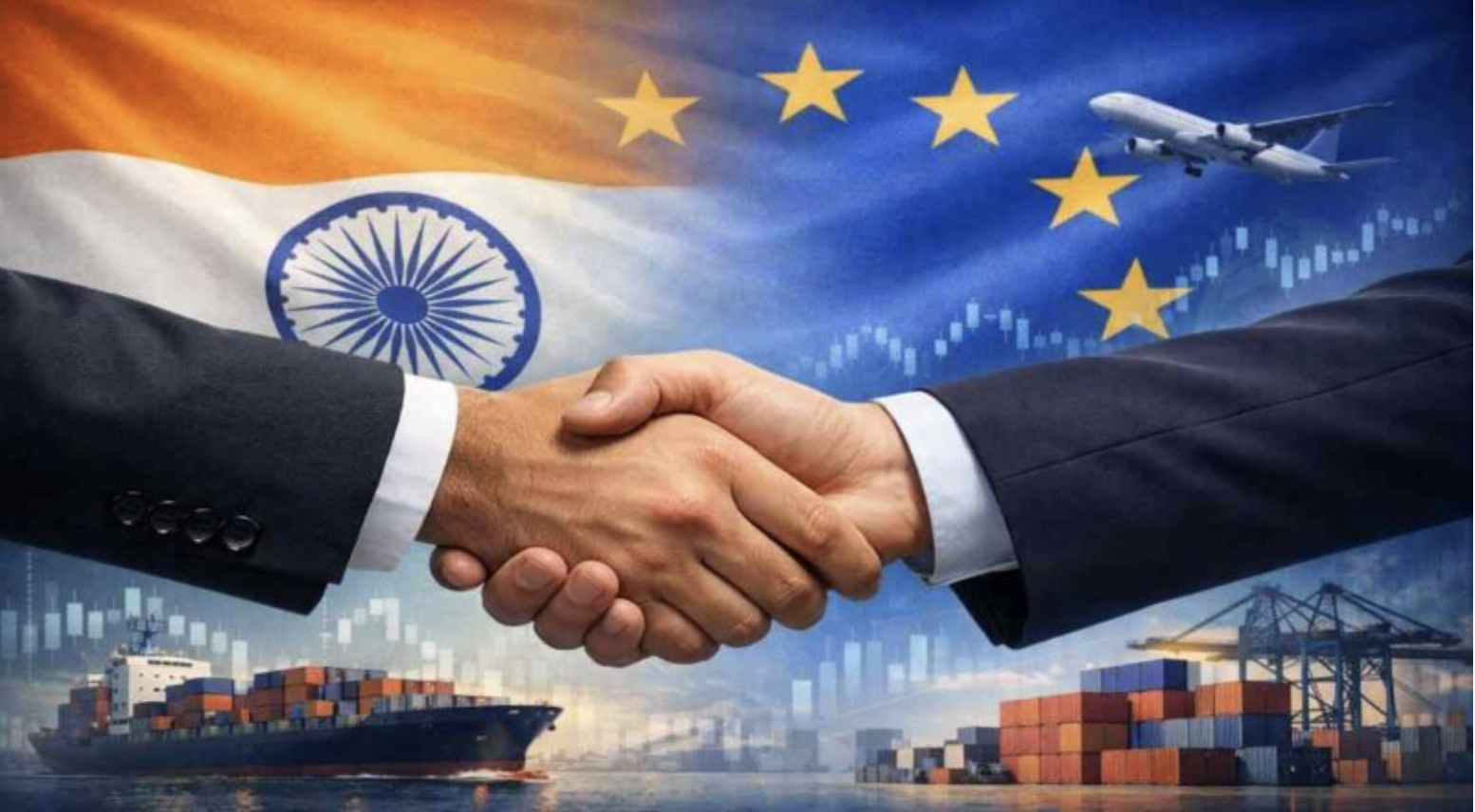
This article I wrote for KPMG unpacks the historic EU-India trade agreement, why it's so geopolitical, and explores some of the ways it impacts businesses here in Australia.
Now more than ever, geopolitics is shaping organisational planning, investment and risk management. In this discussion, Merriden breaks down what the present and future ‘polycrisis’ world means for directors, and highlights the global megatrends reshaping board agendas.
Australian businesses are operating in a more complex geopolitical environment, and the ‘Donroe Doctrine’ is part of that story.
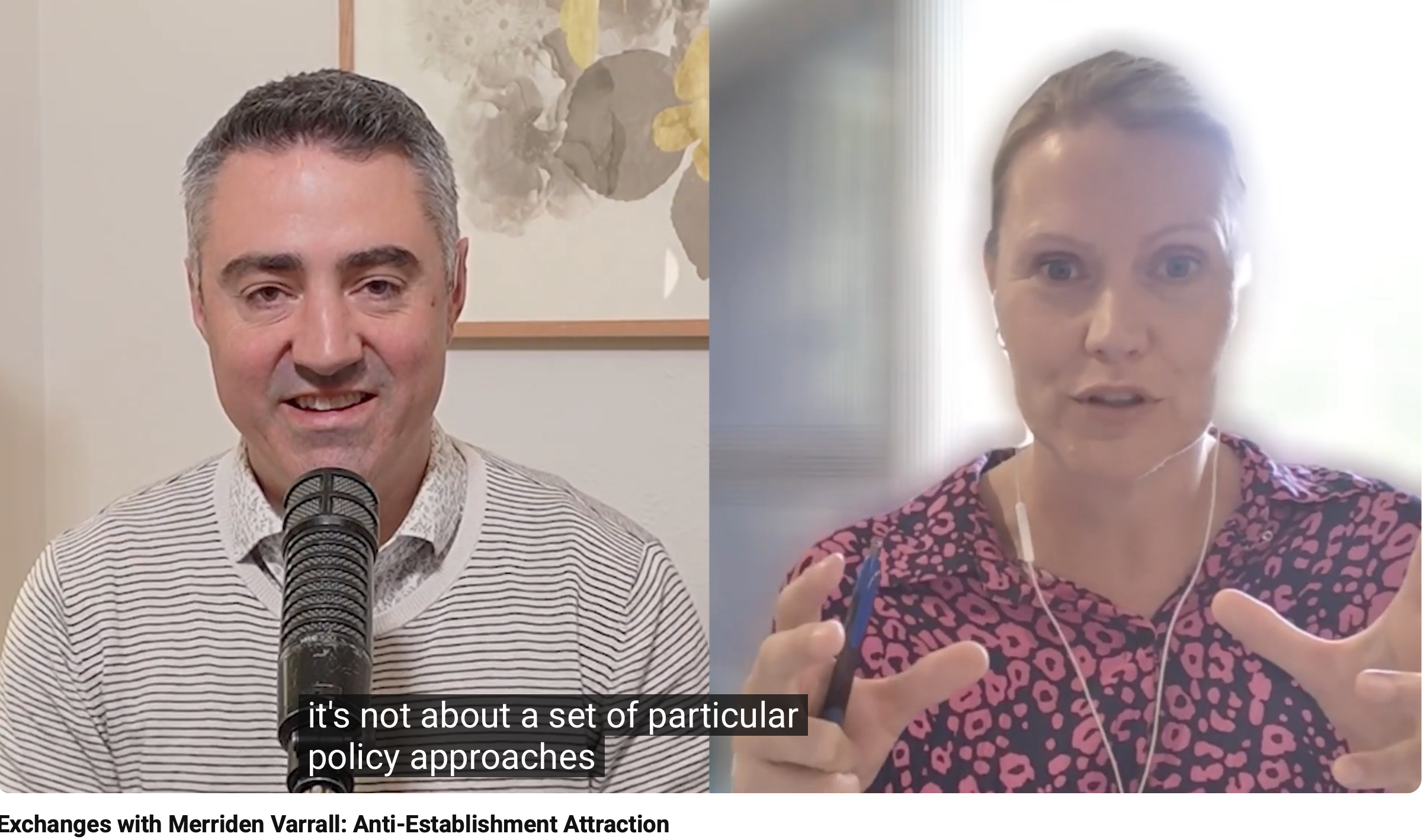
In this episode of Exchanges with Evan Lucas, we unpack how populism’s anti-establishment sentiment and ‘us versus them’ mentality are driving a new wave of protectionism, reshaping global politics and economic policy.
This report I authored for KPMG on 'Global populism and Australian business – shifts and implications' provides business leaders with a clear understanding of how populism is influencing global markets and institutions, and what strategic actions they can take to stay resilient and competitive. The report offers strategic guidance for business leaders navigating political volatility and global disruption. (KPMG report, Merriden Varrall principall author.)
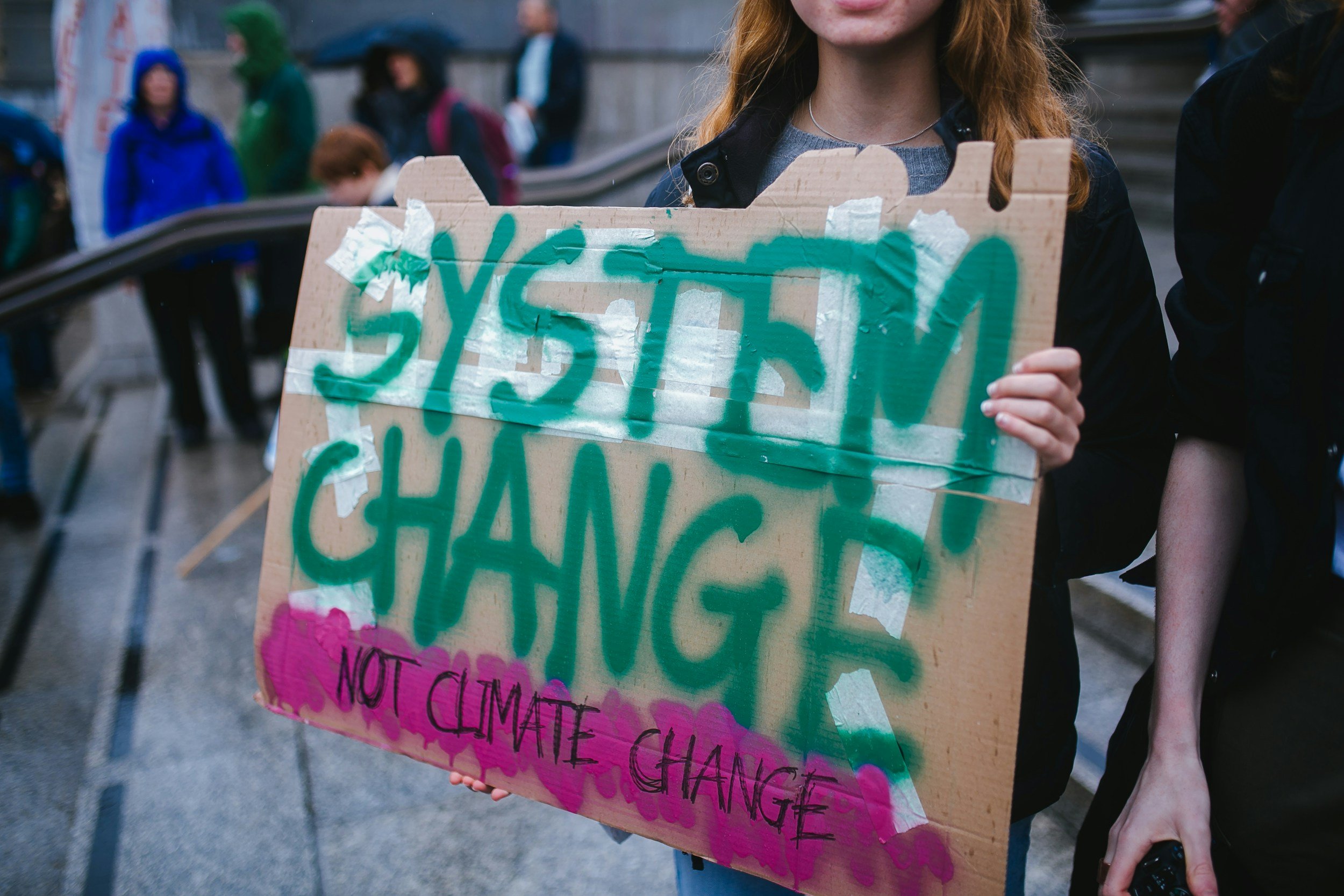
The geopolitical implications of climate change and our unpreparedness for the disruption it will bring.
One of the key geopolitical themes we identify is the rise in mistrust of political institutions and the status quo around the world, and why that matters to Australian business (spoiler alert: it really does).
You may have heard recently that Donald Trump is attempting a “Reverse Kissinger”, but what exactly does that mean?
This chapter of the ‘Palgrave Handbook of Contemporary Geopolitics’ examines who Australia thinks it is, and how that national strategic identity affects Australia’s understanding of regional and global geopolitics.
Increased competition and mistrust between countries means that the ‘new normal’ for Australian retailers is a highly volatile business environment.
To gain a more nuanced understanding of what is motivating Chinese behaviour on the world stage, this analysis examines the narratives that underpin Chinese worldviews and China’s foreign policy behaviour.
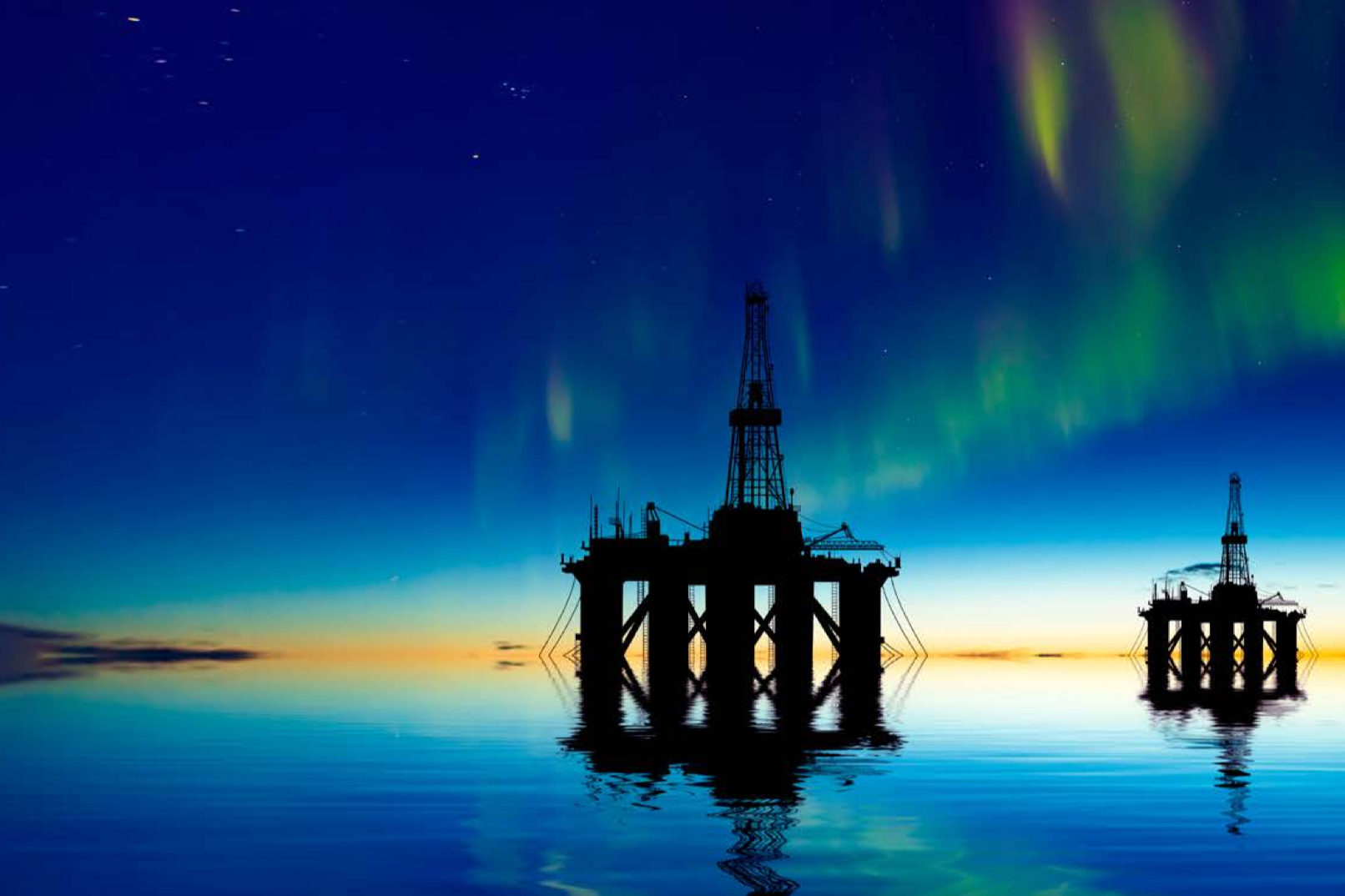
The transition from oil and gas to renewables creates challenges for Australian companies, as do the geopolitical impacts that will flow from the transition. (KPMG report, Merriden Varrall co-authored).